How SEO and Website Design Help Generate More Leads
Last updated: 2026-07-07
Learn how SEO and website design work together to attract more customers, increase conversions, and drive long-term business growth.
For most businesses, the purpose of a website is simple: attract more customers, generate quality enquiries, and support business growth.
However, many businesses invest in a new website or digital marketing campaign without considering how closely SEO and website design are connected. A website may look professional, but if customers cannot find it easily, it loads slowly, or it fails to guide visitors towards taking action, it can limit the return from your marketing investment.
SEO helps your business appear in front of the right audience at the right time, while website design ensures those visitors have a seamless experience that encourages conversions. When these two areas work together, your website becomes more than an online presence. It becomes a platform designed to attract, engage, and convert potential customers.
How SEO Helps Businesses Attract More Customers
SEO helps businesses appear when potential customers are actively searching for their products, services, or solutions.
Instead of relying solely on paid advertising or brand awareness campaigns, SEO helps capture existing demand from users who are already looking for what your business offers.
A strong SEO strategy focuses on:
- Understanding what your customers are searching for
- Creating content around customer needs and search intent
- Optimising service pages for relevant keywords
- Improving website performance and technical foundations
- Building authority and trust online
For example, a commercial service provider may not only want to rank for broad industry terms. They want to appear when decision-makers search for specific services they need.
The right SEO strategy helps your website reach users with stronger purchase intent, increasing the likelihood of quality enquiries.
How Website Design Turns Visitors Into Leads
Driving visitors to your website is only the first step. Once someone lands on your website, the experience determines whether they continue exploring, trust your business, and eventually make contact.
Clear Customer Journeys
Visitors should quickly understand:
- What your business offers
- Who your services are designed for
- Why they should choose your company
- What action they should take next
Complex navigation, unclear messaging, or poorly structured pages can cause potential customers to leave before engaging with your business.
Strong Calls To Action
Effective copywriting helps turn interest into action by clearly communicating the value of your services and making it easy for potential customers to engage with your business.
This can include encouraging visitors to:
- Request a quote
- Book a consultation
- Contact your sales team
- Submit an enquiry
- Explore your services further
Without clear messaging and strong calls to action, even highly interested visitors may leave without making contact. The right website copy helps remove uncertainty, build confidence, and create more opportunities for conversion.
Building Trust and Credibility
For larger purchases and business decisions, customers need confidence before making contact.
A well-designed website can strengthen trust through:
- Case studies
- Client results
- Industry experience
- Testimonials
- Professional branding
- Clear service information
For enterprise businesses, this credibility can influence whether a potential customer chooses your company or a competitor.
More Website Traffic Does Not Always Mean More Revenue
One of the biggest misconceptions businesses have is that more website traffic automatically leads to more growth.
While attracting visitors is important, the real value comes from attracting the right visitors and converting them into customers.
A website receiving thousands of visitors but generating limited enquiries may have issues with:
- Poor website structure
- Slow performance
- Unclear messaging
- Weak conversion points
- Poor user experience
- Lack of trust signals
SEO and website design solve different parts of this challenge. SEO helps bring qualified visitors to your website, while effective design ensures those visitors have a clear path towards becoming customers.
SEO Starts With Your Website Foundation
Many businesses view SEO as something added after a website is completed.
In reality, SEO begins with how the website is built.
Search engines evaluate many technical factors, including:
- Website speed
- Mobile performance
- Website structure
- Internal linking
- Page organisation
- Accessibility
- Security
- Crawlability
If these foundations are weak, improving search rankings becomes significantly more difficult. An SEO-ready website is built with search visibility, performance, and scalability in mind from the beginning.
Why Website Speed and Performance Impact Revenue
Website performance directly affects customer behaviour.
Modern customers expect websites to load quickly, work smoothly across devices, and provide immediate access to information.
A slow website can result in:
- Visitors leaving before exploring your services
- Lower conversion rates
- Poor user experience
- Reduced SEO performance
- Increased advertising costs
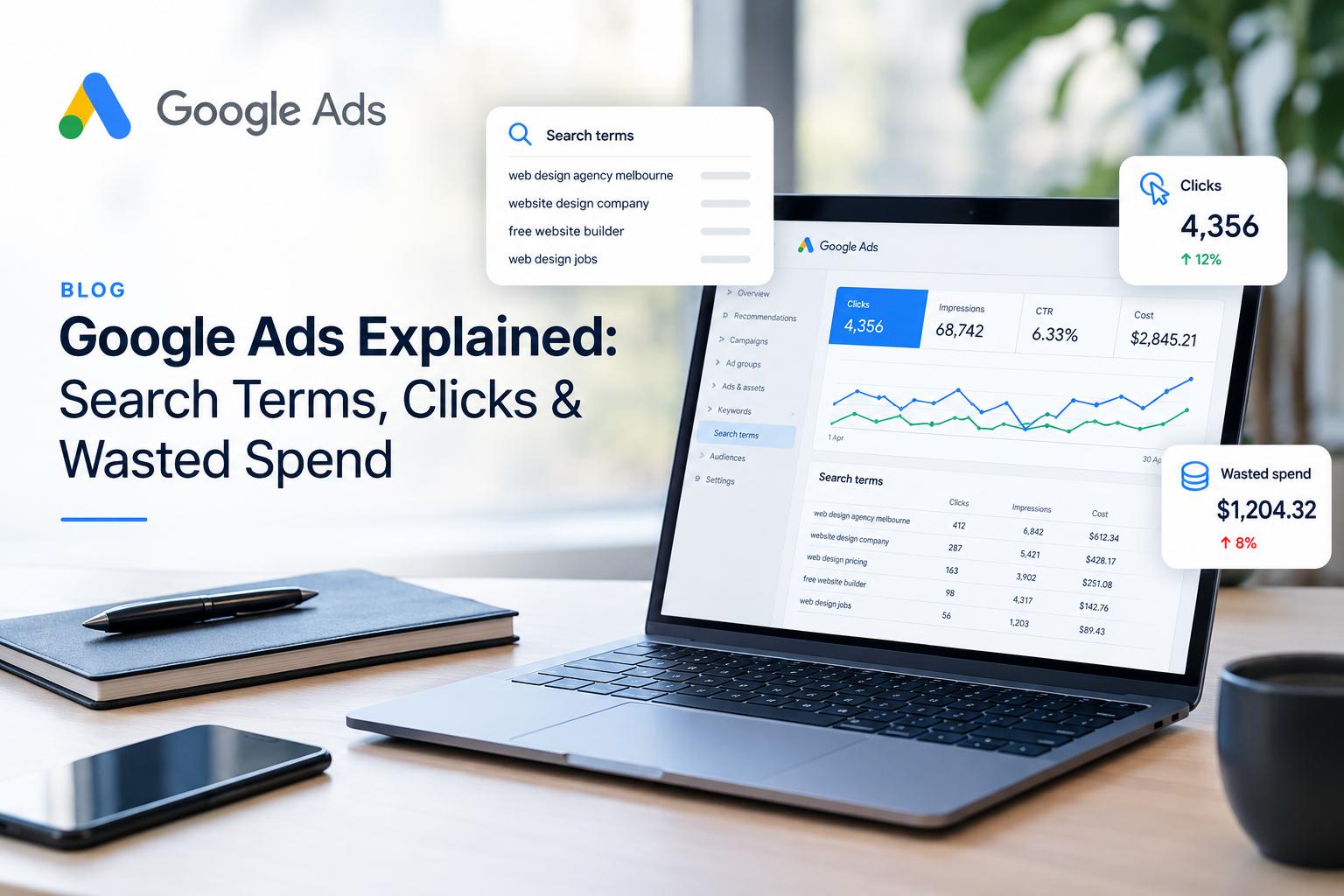
This is especially important for businesses investing in Google Ads.
Sending paid traffic to a slow or poorly optimised website can increase marketing costs while reducing the number of enquiries generated.
A high-performing website helps businesses get more value from every visitor and marketing channel.
Why Custom Website Design Supports Long-Term Business Growth
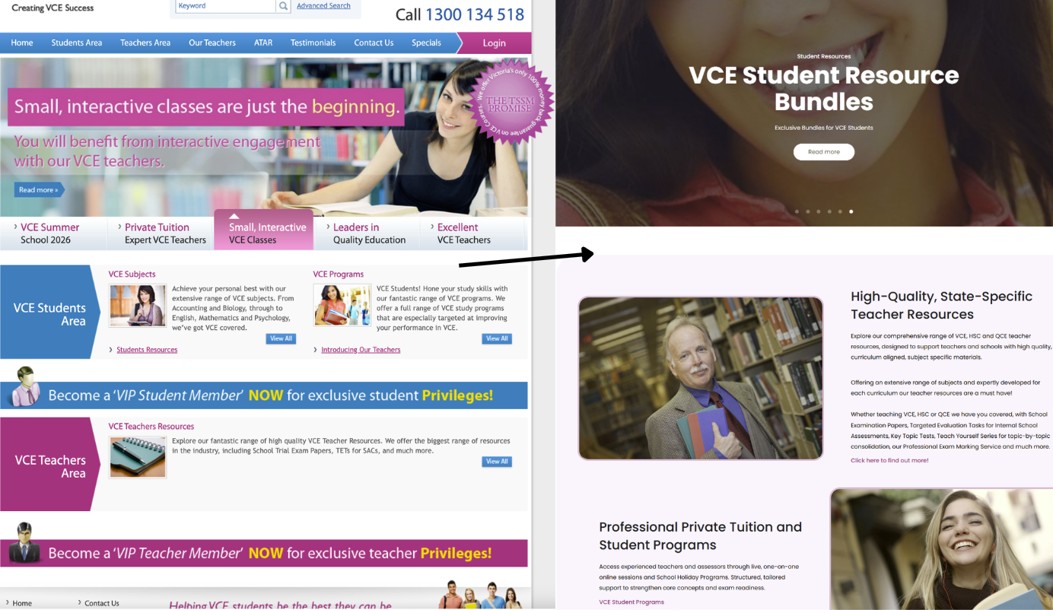
Many businesses start with template-based websites because they provide a quick solution.
However, as businesses grow, templates can create limitations around:
- Website performance
- Flexibility
- Scalability
- Integrations
- SEO control
A custom website allows businesses to build a digital platform around their specific goals, customers, and operational requirements.
This is especially valuable for larger organisations managing:
- Multiple services
- Different customer segments
- Multiple locations
- Complex marketing campaigns
Instead of adapting your business around platform limitations, a custom website provides the flexibility needed for future growth.
Why Enterprise Businesses Need SEO-Driven Websites
For larger organisations, a website is not simply a marketing asset. It supports sales, customer experience, brand reputation, and business growth.
Enterprise websites often need to support:
- Multiple audiences
- Complex service offerings
- Large-scale campaigns
- Sales teams
- Longer customer journeys
A poorly structured website can create challenges across marketing and sales teams, making it harder for customers to find information and take action.
An SEO-driven website creates a stronger foundation by helping customers discover your business, understand your services, and convert into leads.
How IT BOOST Australia Helps Businesses Generate More Growth Online
At IT BOOST Australia, we help businesses combine website development, SEO, and digital strategy into one connected approach.
Our team focuses on creating websites that are designed to:
- Attract qualified customers through SEO
- Improve user experience and conversions
- Support Google Ads performance
- Strengthen technical website foundations
- Scale alongside business growth
A website should not simply exist online. It should actively contribute to your business goals.
By combining custom website development with technical SEO and ongoing optimisation, our team helps businesses create stronger digital foundations designed to generate more leads, customers, and revenue.
Turn Your Website Into a Growth Tool
More customers and revenue do not come from traffic alone. They come from attracting the right audience and providing a website experience that encourages action.
If your current website is not generating the results you expect, the IT BOOST Australia team can help build a smarter, SEO-focused foundation designed to convert more visitors into customers.
Disclaimer
This article is provided free of charge for public information. We do not guarantee, and accept no legal liability for, the accuracy, reliability, currency, or completeness of the content or any linked material. Users should apply their own judgment and verify the material’s relevance to their needs. This article is a general summary and not a substitute for legal or professional advice. Users should seek appropriate advice for their circumstances. Any third-party views expressed do not necessarily reflect ours or imply endorsement.
Terminologies used in this article
- Conversion
- A conversion is a valuable action completed by a user, such as making a purchase, submitting a contact form, or signing up for a service. Businesses use conversions to measure the success of their marketing efforts.
- Digital Marketing
- Digital marketing is the promotion of products or services through online channels such as search engines, websites, social media, email, and paid advertising. It helps businesses reach and engage with potential customers using digital technologies.
- Search Intent
- Search intent is the purpose behind a user's search query. Understanding search intent helps businesses create content that better matches what users are looking for.
- Search Rankings
- Search rankings refer to the position of a webpage within search engine results for a specific search query. Higher rankings generally increase a website's visibility and the likelihood of attracting more visitors.
- SEO
- SEO is the process of optimising your website to make sure it is available to Google Search Engine and this can be monitored through Google Search Console. By optimising website content, structure, and technical performance, businesses can attract more organic (unpaid) traffic and increase their onl…
- Website Performance
- Website performance refers to how efficiently a website loads, responds, and functions for users. Factors such as page speed, stability, and responsiveness all contribute to overall website performance.